
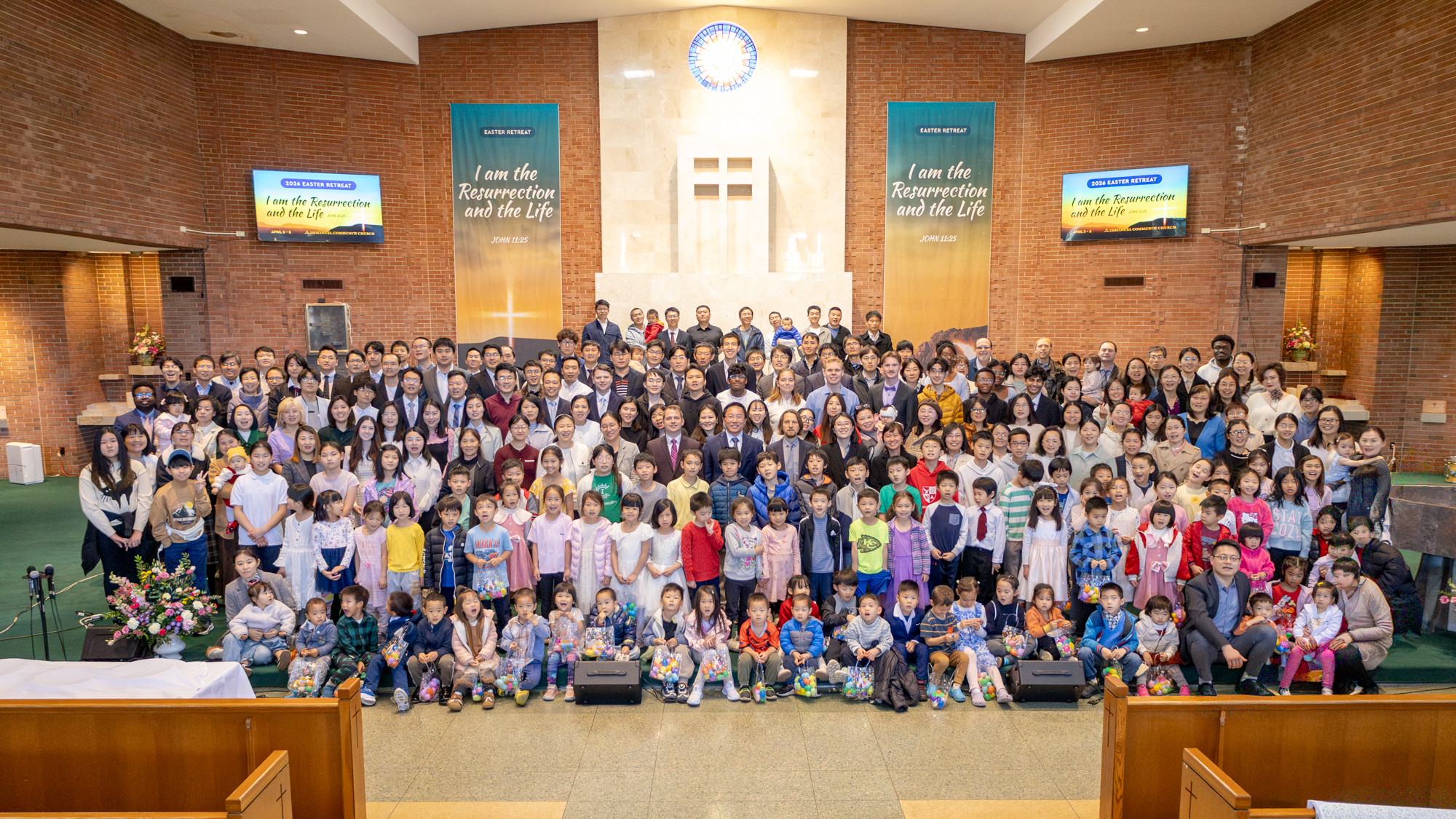
On April 5, 2026, STL Immanuel Church concluded its Easter retreat with a Sunday worship service commemorating the resurrection of the Lord Jesus Christ. Pastor Anthony Chiu delivered a message based on Luke 24:13–35, and Pastor Mark Spisak presided over the Communion. By the end of the retreat, the mission team also reached its goal, with over 15 Bible students and newcomers participating.
In his message, Pastor Chiu reflected on the account of the two disciples on the road to Emmaus, drawing attention to the depth and enduring richness of Scripture. He noted that the Word of God continually reveals new layers of grace and truth, much like a field that yields more as it is continually worked.
Focusing on Luke 24:13–16, the sermon described the disciples’ journey as one marked by sorrow, confusion, and lost hope following the crucifixion of Jesus. Though they had once placed their hope in Him as the Redeemer of Israel, His death appeared to contradict their expectations. As they walked away from Jerusalem toward Emmaus, they were, in both a physical and spiritual sense, moving away from the place where their hope had seemed to collapse.
The message highlighted a central question raised by the passage: why the disciples were unable to recognize the risen Christ, even as He walked alongside them. Pastor Chiu explained that the issue was not Christ’s absence, but the disciples’ assumptions. Their understanding of the Messiah—shaped by their own expectations—prevented them from recognizing Him when He appeared in a way they did not anticipate.
The sermon further examined the disciples’ despair, emphasizing their statement, “we had hoped that He was the one to redeem Israel.” This reflected a faith that had been shaken by the reality of the cross. From their perspective, Jesus’ crucifixion seemed to confirm defeat rather than fulfillment, even appearing to align with the Old Testament declaration that one hung on a tree is under God’s curse.
Despite having heard reports of the empty tomb and the testimony that Jesus was alive, the disciples continued on their way because they had not personally encountered the risen Lord. The message underscored that hearing about the resurrection was not sufficient for them; without direct encounter, they remained in doubt and discouragement.
Drawing from 1 Corinthians 15, Pastor Chiu emphasized the foundational importance of the resurrection in the Christian faith. If Christ has not been raised, faith is futile; but if He has been raised, then His work on the cross stands as complete and sufficient. The resurrection, therefore, is not only a doctrine but the basis for hope, endurance, and transformed living.
The sermon then turned to Christ’s explanation of the Scriptures to the disciples, beginning with Moses and the Prophets. Through passages such as the scapegoat in Leviticus 16 and the suffering servant in Isaiah 53, Pastor Chiu explained how the Old Testament points to the necessity of substitutionary sacrifice. These passages reveal that the Messiah would not only reign in glory but also suffer on behalf of sinners.
In this light, the cross was presented not as defeat, but as the fulfillment of God’s redemptive plan. Christ, though innocent, bore the sins of humanity, satisfying the demands of justice and extending grace to those who believe. His resurrection then stands as the declaration of victory over sin and death, confirming the sufficiency of His sacrifice.
The turning point of the passage came when Jesus broke bread with the disciples. In that moment, their eyes were opened, and they recognized Him. The message highlighted that this recognition was tied not merely to seeing Jesus physically, but to understanding His sacrifice—His body broken and given for them.
Following this encounter, the disciples experienced a transformation. Their despair gave way to renewed purpose, and they immediately returned to Jerusalem to testify that “the Lord has risen indeed.” The sermon emphasized that the resurrection does not merely inform believers but transforms them, turning them from discouragement to witness.
The service concluded with a call for reflection: whether believers today have truly encountered the risen Christ or are merely familiar with the message. The encouragement was not only to remember the resurrection but to experience its reality—allowing the truth of Christ’s death and resurrection to shape one’s life, faith, and witness.